
Planning A Cross Training Plan, this off-season
- Alex Ackerley
- Oct 19, 2025
- 3 min read
(And How You Can Too)
If you’ve been following along, you know I’ve been changing gears lately — swapping a bit of bike time for trail runs and other ways to move. Last week, I talked about why that matters.
This week, I want to zoom out and talk about how to think about cross-training — from first principles.
Start With the End in Mind
Everything I do this time of year ladders up to three goals:
Long term: Still be riding strong at 60.
Medium term: Perform better next year than I did this year.
Short term: Refresh after a hard summer of riding and get stoked for a productive, fun winter.
That’s it. Every decision about training or recovery runs through that filter.
Cross-training isn’t random activity for the sake of variety — it’s strategic. Each session should add something to the big picture: physical capacity, mental freshness, or simple joy in movement.
My Main Cross-Training Tools
Here’s what my fall and winter usually look like, and what each activity brings to the table.
🏃♂️ Trail Running
A powerful VO₂max driver and a great way to keep my aerobic system sharp when rides get shorter.
It also gives me something the bike doesn’t — impact. That’s good news for bone density and tendon health, but it also means I’ll need to keep an eye on ankle and hip mobility to stay balanced.
When I’m running consistently, I don’t need as much plyometric work in the gym — the trail does it for me.
Pro tip "Don't completely remove plyo-work in the gym, there are a variety of plyometric patterns we should have in a program"
🎿 Resort Skiing
This one’s pure fun. I don’t count it as structured training — it’s just time outside, moving, laughing, and getting that social recharge that’s easy to forget is part of long-term fitness.
Call it “active recovery with style.”
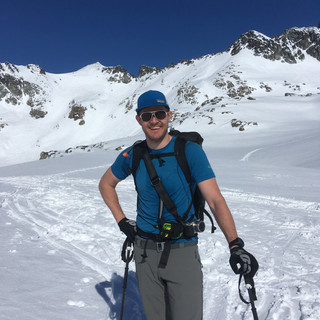
⛷️ Backcountry Skiing

This is two sports in one. The uphill is a massive endurance base builder, while the downhill is a mix of strength, skill, and survival.
It’s also high energy-cost work — a long tour will pull heavily from your recovery budget.
Boot fit and foot trauma are real, and mixed snow conditions can take a toll on hips and knees (especially if, like me, your technique isn’t going to make the cover of Powder).
So I plan accordingly:
Don’t stack heavy leg days after big ski tours.
Stretch hip flexors after long climbs.
Be honest about the wear and tear and give your body the TLC it deserves.
🏋️♂️ Strength Training (Non-Negotiable)
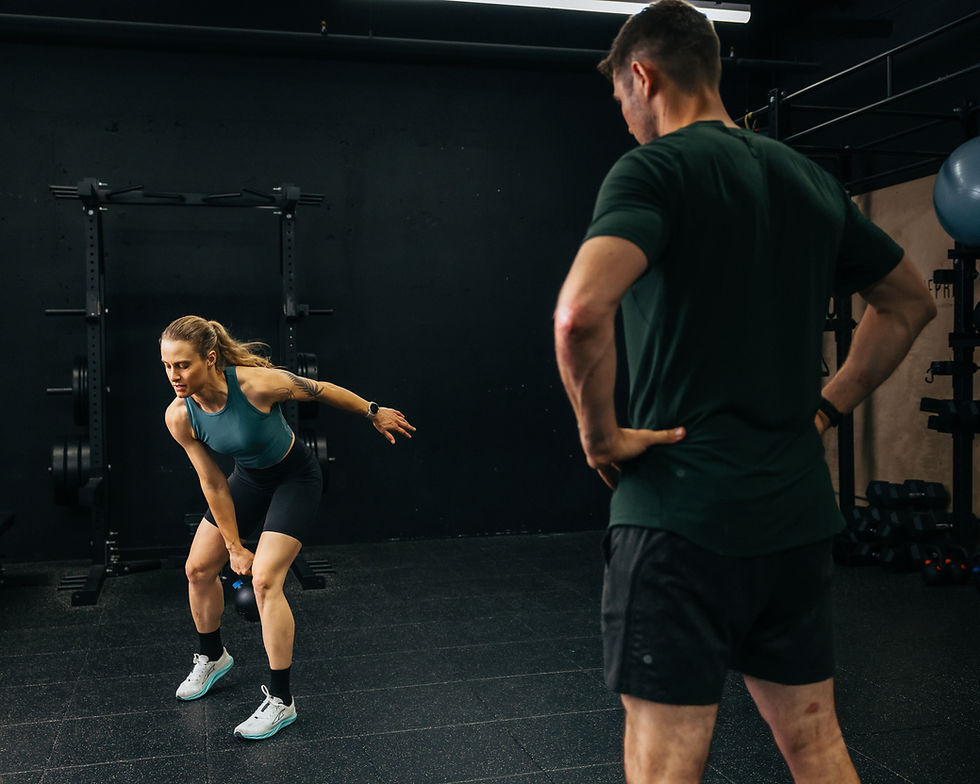
This is the cornerstone. The gym is where I rebalance all the variables that riding, running, and skiing skew in different directions.
It’s where I rebuild symmetry, manage tissue load, and make sure my body is capable of handling all the fun stuff I do outside.
Strength training is the thread that ties it all together — it’s what keeps me strong for next MTB season and keeps me on track for the long game: still being a rad 60-year-old who rides hard and feels good doing it.
🧘♂️ Mobility & Maintenance (also non-negotiable)
Mobility isn’t glamorous, but it’s the glue. It lets me keep stacking new layers of fitness without breaking down.
A few short sessions each week to open up hips, ankles, and thoracic spine go a long way toward staying pain-free when the snow piles up and the rides drop off.
Account for Everything
Each thing you do this time of year is either a deposit or a withdrawal in your fitness bank.
Long ski tour? Big endurance deposit, small strength withdrawal.
Heavy gym session? Strength deposit, small recovery withdrawal.
Lazy weekend and good food? Probably a recovery deposit.
Be aware of what you’re putting in — and what it costs.
The more you account for the load, the more sustainable your progress will be.
Keep It Fun and Intentional
Cross-training shouldn’t feel like a chore. If you need a target, give yourself something simple and motivating — like a local trail run time, a ski-tour route, or a winter consistency streak in the gym.
Fun and curiosity are what make consistency stick.
And consistency, stacked over years, is what turns a good season into a great decade.
🔸 Final Thought
Succesful athletes always come back to the gym. It’s the place to recalibrate, rebalance, and prepare your body for everything else you throw at it.
Every activity is an input, but strength is the foundation that makes it all possible.
Next spring, when the days lengthen and the bikes come back out full-time, let's roll into the season strong, durable, and hungry to ride.
That’s the whole point.
Ready to factor in Cross Training to your Off season?
Book your Launch Call now - click here

Comments