You Don’t Have to Ride with Back Pain
If you’ve started believing that a sore back is just part of mountain biking, you’re not alone. I hear it all the time: “I always need to stretch for an hour after a ride.” “My back tightens up on descents.” “I’m worried one wrong move will put me out again.” For many riders, back pain gradually becomes something they simply work around. They ride less, avoid certain trails, or accept feeling stiff and sore after every ride. The good news? While not every back injury can be completely eliminated, many mountain bikers can dramatically reduce their symptoms and return to riding stronger than they thought possible.
From Floor-Bound to Back on the Bike
When my client Loren injured his back, it wasn’t a minor tweak. He suffered a protruded disc with sciatica and described it as “the worst pain in my life. I was floor-bound.” For over a year and a half, he couldn’t ride. For someone who loves mountain biking, that’s about more than missing exercise. It’s losing time with friends, confidence, freedom, and a huge part of your identity. Like many riders in that position, he wondered if this was simply how life was going to be. Fortunately, it wasn’t.
The Problem Wasn’t Just His Back
When most riders develop back pain, the first instinct is usually to stretch more, rest longer, or hope the symptoms disappear. Sometimes that helps temporarily. Often, it doesn’t. That’s because pain isn’t always the problem we need to solve. Our goal wasn’t simply to reduce Loren’s pain. Our goal was to rebuild his capacity to ride. That meant gradually improving:
- Hip mobility and control
- Trunk strength and stability
- Glute strength and power
- Confidence in movement
- Tolerance to riding loads
- The balance between training, riding and recovery
Instead of chasing symptoms, we focused on building a body that could handle the demands of mountain biking again.
Building Confidence Before Performance
One of the biggest barriers after a serious injury isn’t strength. It’s trust. When you’ve experienced severe back pain, it’s natural to avoid certain movements. Unfortunately, avoiding movement for too long often creates new limitations. Rather than forcing painful exercises, we progressively reintroduced movements that Loren had lost confidence in, gradually increasing the challenge as his body adapted. As his confidence grew, so did his strength.
Something Unexpected Happened
As training progressed, Loren noticed changes that went well beyond simply having less pain. He told me:
“My ability to have better posture on the bike, use my leg strength a lot more, my glutes and the proper muscles has made me significantly less sore. I don’t feel like I have to stretch for an hour when I’m done riding.”
That’s exactly what we hope to see. Mountain biking isn’t supposed to be powered by your lower back. Your hips, glutes, trunk, and upper body should all be sharing the workload. When they do, the back often has a chance to settle down instead of constantly compensating. He also noticed something just as important:
“I’m more comfortable doing movements I used to avoid.”
That confidence is often one of the biggest milestones in recovery.
There Wasn’t One Magic Exercise
People often ask what exercise “fixed” someone’s back. Usually, there isn’t one. When I asked Loren what had made the biggest difference, his answer summed up my coaching philosophy perfectly:
“It’s hard to say one thing—it’s all of it combined. The check-ins, talking about where I’m at and what I’m still uncomfortable doing. The program gives me a custom workout each month and continues to evolve with me. At the highest level I’d say the integration of full-body workouts, training through all planes of movement, combined with the balance of gym, riding and rest days have been huge.”
That combination matters. Recovery isn’t just about exercises. It’s about the right exercises, at the right time, with the right amount of load, and adjusting the plan as your body changes.
Lessons Every Rider Can Take Away
Whether you’ve been dealing with back pain for two weeks or two years, these principles apply to almost everyone:
- Don’t accept pain as “just part of riding.” Many riders improve dramatically once the real causes are addressed.
- Stop chasing symptoms. Stretching and massage can help, but lasting improvements usually come from improving movement quality, strength, and load tolerance.
- Build your body, not just your fitness. Strong hips, glutes, trunk, and shoulders all help reduce unnecessary stress on the lower back.
- Progress gradually. Your tissues need time to adapt. Trying to jump straight back to full riding rarely works well.
- Recovery is training too. The right balance of riding, strength training, and rest is often what allows progress to happen.
The Best Part
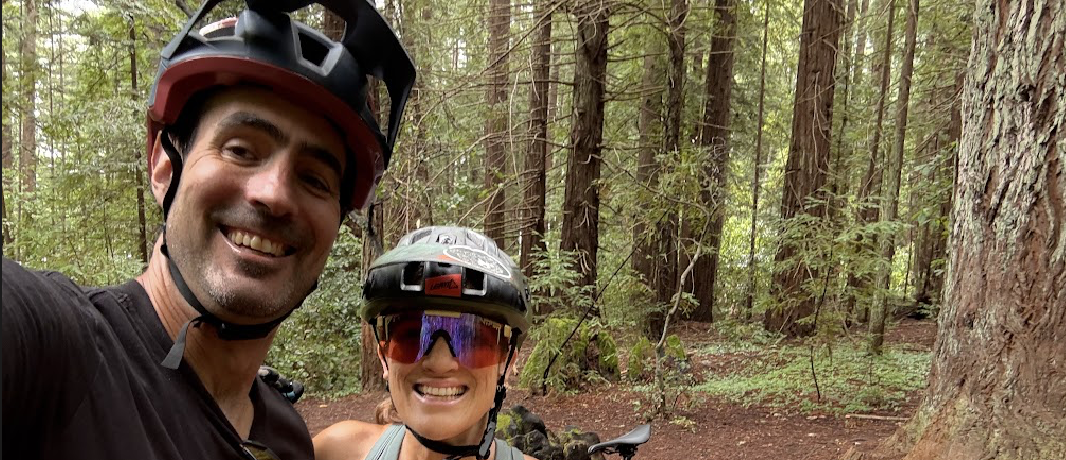
Today Loren is back riding the trails he loves. When I asked him to describe the experience in one sentence, he didn’t talk about exercises. He simply said:
“Life changing for the better. I went from injured laying on the floor to riding my mountain bike again.”
As a coach, that’s why I do this. Not to create perfect squat technique. Not to chase personal bests in the gym. To help riders get back to doing what they love.
Ready to Ride with More Confidence?
If back pain is limiting your riding, don’t assume it’s something you simply have to live with. Every rider is different, but with the right assessment and a progressive plan, many mountain bikers can reduce pain, rebuild confidence, and return to riding stronger than they expected. If you’d like to find out what’s holding you back, start with my MTB Rider Assessment. Together we’ll identify the biggest limitations affecting your riding and build a plan to help you get back on the trails with confidence.