One of the most common questions riders ask is:
“What should my strength training actually look like?”
There’s no shortage of exercises online.
Squats.
Deadlifts.
Core workouts.
Mobility routines.
But the real challenge for most riders isn’t finding exercises.
It’s building a strength training program that improves mountain biking performance without ruining your rides.
When strength training is done poorly, riders often notice:
- sore legs before rides
- reduced power on climbs
- fatigue on descents
sore legs before rides
reduced power on climbs
fatigue on descents
When it’s done properly, the opposite happens.
Riders feel:
- stronger on climbs
- more stable in rough terrain
- less fatigued late in rides
stronger on climbs
more stable in rough terrain
less fatigued late in rides
The key is keeping the program simple and focused on the movement patterns mountain bikers actually use on the trail.
Below is a simple structure that works well for many riders.
If you only remember one thing, remember this:
A good mountain bike strength training program should include these movement patterns:
- Hip hinge– for attack position strength and terrain absorption
- Single-leg strength– for climbing and stability
- Push strength– for absorbing forces through the bars
- Pull strength– for front wheel control
- Core stability– to connect the upper and lower body
Hip hinge – for attack position strength and terrain absorption
Single-leg strength – for climbing and stability
Push strength – for absorbing forces through the bars
Pull strength – for front wheel control
Core stability – to connect the upper and lower body
Most riders can cover all of these with just four to six exercises per workout.
Instead of chasing dozens of exercises, focus on these patterns.
These are the physical qualities that support riding performance.
Hip Hinge
The hinge builds posterior chain strength in the glutes and hamstrings.
This is essential for:
- holding the attack position
- absorbing terrain
- reducing lower back fatigue
holding the attack position
absorbing terrain
reducing lower back fatigue
Example exercise:
Kickstand Romanian Deadlift
(Insert your video)
Single-Leg Strength
Mountain biking places huge demands on each leg individually.
Single-leg strength improves:
- climbing efficiency
- cornering stability
- durability on long descents
climbing efficiency
cornering stability
durability on long descents
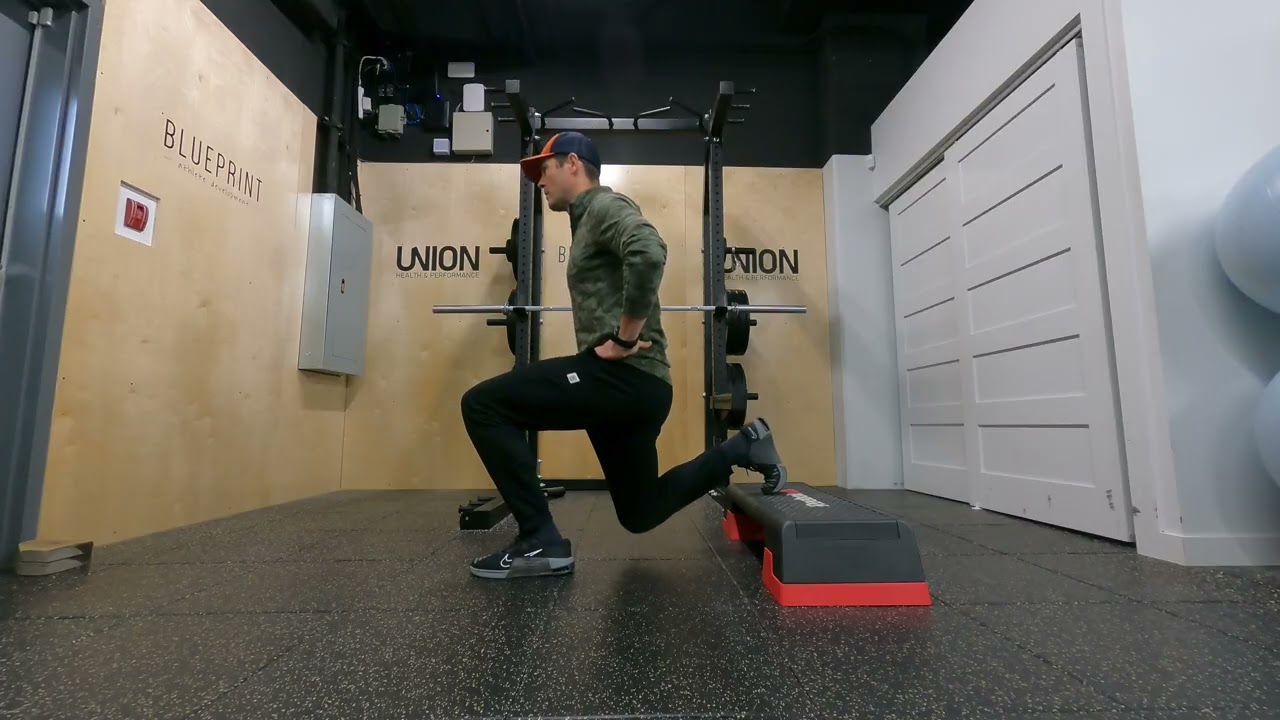
Example exercises:
Split squats or step-ups
(Insert your video)
Push Strength
Push strength helps riders absorb forces through the bars.
This becomes important during:
- braking
- compressions
- rough descents
braking
compressions
rough descents
Example exercise:
Push-ups
(Insert your video)
Pull Strength
Pulling strength stabilizes the front end of the bike and connects the upper body to the trunk.
Strong pulling muscles help riders:
- maintain the attack position
- control the front wheel
- resist arm fatigue
maintain the attack position
control the front wheel
resist arm fatigue
Example exercise:
(Insert your video)
Core Stability
Core training for mountain biking should focus on stability rather than endless sit-ups.
A stable trunk allows riders to:
- transfer force between arms and legs
- stay balanced in rough terrain
- maintain better control on descents
transfer force between arms and legs
stay balanced in rough terrain
maintain better control on descents
Example exercises:
Dead bugs or side planks
(Insert your video)
Most riders benefit from two strength training sessions per week.
That’s enough to build strength without interfering with riding.
Strength Session A
Posterior chain focus
Kickstand RDL
Push-ups
Step-ups
Core stability
Strength Session B
Strength and power focus
Trap bar deadlift
Split squat
Core stability
One of the biggest mistakes riders make is pushing gym workouts too hard.
The goal of strength training for mountain bikers is not to destroy your legs.
It’s to build strength while keeping your riding sharp.
Most riders benefit from leaving one or two reps in reserve during most sets.
This allows strength to improve without creating unnecessary fatigue.
When strength training is done well, riders often notice:
- more power on climbs
- better stability in rough terrain
- less arm fatigue on descents
- fewer recurring aches and overuse injuries
more power on climbs
better stability in rough terrain
less arm fatigue on descents
fewer recurring aches and overuse injuries
Strength training doesn’t replace riding.
It simply builds the physical qualities that riding alone doesn’t always develop.
The difficult part isn’t doing a few gym workouts.
It’s knowing:
- which strength qualities you’re missing
- how much strength training you actually need
- how to progress training without hurting your riding
which strength qualities you’re missing
how much strength training you actually need
how to progress training without hurting your riding
That is where a more individualized mountain bike strength coaching program can help.
If you are curious where your current strength sits, take the free MTB Fitness Assessment. It takes a few minutes and highlights the biggest strength gaps that may be holding your riding back.
See you on the Trails,